

Beyond Blue Links: How Generative Engine Optimization Drives Traffic and Best Practices for AI Citations
Welcome to the world of Generative Engine Optimization (GEO) focused on traffic generation. Building upon our foundational knowledge from The Definitive Master Guide to Generative Engine Optimization (GEO) for Businesses and the mechanical insights in How Generative Engine Optimization Works: Decoding AI Search Ranking Factors, this guide explores how modern brands can leverage AI citations to turn conversational discovery into tangible website traffic.
Rethinking Digital Discovery: How GEO Drives Traffic
The Anatomy of AI-Driven Traffic
- High-Intent Referral Visitors: Traffic coming from an AI citation is vastly different from casual organic traffic. These users have already interacted with an AI assistant in a multi-turn conversation, narrowed down their specific problem, and received your brand as a targeted recommendation. Consequently, their intent to purchase or engage is exceptionally high.
- Overcoming Banner Blindness: Traditional display ads and standard search snippets suffer from widespread user fatigue. Direct mentions inside an authoritative AI answer bypass standard cognitive filters, establishing instant brand credibility.
To maximize this traffic channel, your digital storefront must be built on a high-performance foundation that instills immediate trust when visitors arrive. Reviewing the principles in Professional Website Builds Trust ensures your landing pages convert this specialized AI referral traffic effectively.
Navigating the Zero-Click Search Strategy
One of the most debated shifts in modern search marketing is the rise of the zero-click search strategy. Critics argue that if AI engines answer user questions directly on the results page, websites lose out on traffic entirely. However, advanced GEO practitioners view zero-click environments not as a dead end, but as a top-of-funnel brand awareness engine.
Turning Zero-Click Visibility into Long-Term Growth
- Dominating the Consideration Phase: Even if a user does not click immediately, seeing your brand repeatedly recommended by an AI assistant builds powerful brand recall. When that user is finally ready to make a commercial transaction, they search for your brand name directly.
- Structuring for Dual Intent: You can design content that satisfies immediate informational queries (capturing AI model mindshare) while offering deeper, multi-faceted analytical value that compels the user to click through for comprehensive tools, templates, or transactional services.
To ensure your overall marketing efforts align with high-converting user journeys rather than leaky funnels, audit your site layout against insights from Top 5 Website Mistakes Killing Conversions.
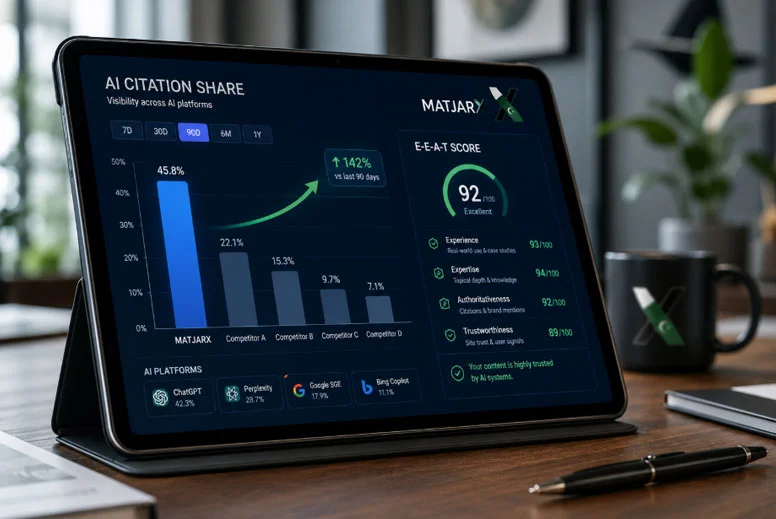
Best Practices for AI-Generated Content and Human Authority
Proven Best Practices for AI Search Citations
- Integrate Proprietary Data and Original Research: AI engines are probabilistic models that crave facts. Content featuring original industry surveys, unique regional data sets, and concrete statistics receives a disproportionately higher rate of AI citations.
- Deploy Clear Semantic Formatting: Use clean HTML heading tags (H1, H2, H3), explicit bullet points, and data tables. When an AI crawler parses your page, well-structured layouts make it effortless for the RAG pipeline to extract precise snippets.
- Establish E-E-A-T (Experience, Expertise, Authoritativeness, and Trustworthiness): Clearly attribute insights to named industry experts, include author bios, and ground your digital footprint in verifiable real-world operations.
For brands operating in fast-paced regional markets, pairing these content practices with streamlined digital setups such as integrating localized payment solutions like Setup SadaPay SadaBiz on Your Website, Setup JazzCash Jazz Business on Your Website, Setup Easypaisa Business on Your Website, or Setup PayFast Payment Gateway adds localized transactional depth that AI engines recognize when serving regional consumer queries.
Optimizing for AI Search Citations: Technical and Structural Foundations
Technical Checklists for Citation Readiness
- Implement Advanced Schema Markup: Utilize JSON-LD to clearly define Organization, Article, FAQ, and Product entities. This programmatic clarity acts as a direct messaging channel to AI scrapers.
- Prioritize Mobile Speed and UX: Because conversational search heavily indexes mobile-first user behaviors, review optimization strategies outlined in Mobile-First Design Tips for UX and ensure your infrastructure is supported by insights from Domain and Hosting Explained.
Advanced Strategies to Maximize AI Search Citations and Referral Traffic
In the first half of this guide, we examined how conversational search redefines digital discovery, why high-intent referral traffic outperforms traditional organic clicks, and the foundational best practices for structuring content. To truly improve website traffic with GEO, businesses must move beyond basic optimization and implement advanced strategies designed to capture competitive AI citations.
Targeting Multi-Turn Conversational Queries
Traditional keyword optimization focused on short, punchy phrases like “best e-commerce platform.” In contrast, users interacting with AI assistants use conversational, multi-turn prompts (e.g., “What is the best way to set up a small business website in Pakistan with local payment gateways and low setup friction?”).
- Build Answer-Centric Content Clusters: Create interconnected content hubs that address granular sub-topics, ensuring that no matter how specific a user’s follow-up prompt becomes, your website has an authoritative page ready for retrieval.
- Leverage Contextual Long-Tail Variations: Seamlessly integrate comprehensive guides such as The MatjarX Complete Guide for Small Businesses into your content architecture to capture multi-layered user queries.
Translating Brand Authority into AI Recommendations
Cultivating Off-Site Proof and Brand Sentiment
- Consistent Cross-Platform Footprints: Ensure your brand identity, product offerings, and services are accurately represented across business registries, review forums, and industry publications.
- Demonstrate Real-World Proof: Sharing concrete business lessons such as the operational insights featured in our Rastah Case Study Lessons for Small Businesses provides AI scrapers with verified real-world examples to cite when answering user queries about market success.
- Streamline Digital Touchpoints: When AI-driven referral traffic lands on your site, every friction point (from slow loading speeds to confusing navigation) diminishes conversion potential. Reviewing fundamentals from Why a Website Is Important for Business helps reinforce why a pristine digital storefront is mandatory.
Measuring and Tracking AI Referral Traffic Success
Because traditional analytics tools attribute AI-driven sessions to “direct traffic” or ambiguous referral strings, marketers must adapt their measurement frameworks to accurately gauge the return on investment of their zero-click search strategy and citation optimization efforts.
Key Metrics for Tracking AI Growth
- Assisted Conversions and Referral Quality: Monitor behavioral metrics (such as bounce rate, session duration, and conversion rate) for traffic arriving from AI chat platforms and search summaries.
- Share of Model Voice: Regularly audit how frequently your brand appears when prompting major AI engines with high-intent industry queries.
- Traffic Diversification: Balance traditional organic search metrics with conversational discovery metrics to ensure your brand is protected against algorithmic shifts.
To scale these traffic acquisition efforts and convert incoming visitors into loyal customers, businesses can leverage professional frameworks like our Growth Marketing Service or deploy streamlined digital setups via our Done-For-You Website package. Furthermore, staying aligned with regional market directions through Digital Marketing Trends in Pakistan 2026 ensures your traffic acquisition strategies remain ahead of the curve.
Conclusion: Winning the Future of Search Traffic
Mastering best practices for AI-generated content and optimizing for AI search citations represents the next great frontier in digital growth. By moving beyond traditional blue links, embracing zero-click brand visibility, and structuring your digital assets for seamless machine readability, your business can consistently capture high-intent referral traffic from conversational search engines.
Related Posts
- Mastering AI Search: Best Generative AI and GEO Training Courses for Marketers
- Hiring a GEO Expert: Top Generative Engine Optimization Agencies and Consulting Services
- Top GEO and Content Automation Tools to Scale Your Search Strategy in Pakistan
- Beyond Blue Links: How Generative Engine Optimization Drives Traffic and Best Practices for AI Citations
- How Generative Engine Optimization Works: Decoding AI Search Ranking Factors


